SolarShare AR
Energy Sharing Neighborhoods:
Community-driven energy resilience with decentralized networks
Energy Sharing Neighborhoods:
Community-driven energy resilience with decentralized networks
Energy Sharing Neighborhoods:
Community-driven energy resilience with decentralized networks
Research Team
Research Team
Research Team
Luisa Caldas, Professor of Architecture & Director of the XR Lab
GSRs:
Research:
Xinwei Zhuang (PhD candidate BSTS, student lead)
Yi Ju (PhD student CEE)
Augmented Reality App:
Xin Zhou (PhD student BSTS, student lead) 98D2EB
Yunting Zhao (MDes)
Xinwei Zhuang
Physical model:
Frederic Lam (MArch, student lead)
Yuhan Zhang (MArch)
Photography/rendering: Frederic Lam
Student volunteers:
Interaction/graphic design (MDes)
Jiawen Chen (MDes)
Hongxuan (Mia) Wu (MDes)
Daling (Darlene) Chen (MDes)
Upasana Pradhan (MDes)
Yingying Chen (MDes)
Physical model:
Alexandra Oliva (fmr. MArch)
Augmented Reality App:
Samik Garg (BEng EECS)
Abstract
Abstract
Abstract
SolarShare proposes a community-based energy sharing framework to improve urban energy resilience in vulnerable San Francisco neighborhoods. We introduce an Energy Vulnerability Index (EVI) built from six demographic factors, then use energy performance and renewable access metrics to identify priority zones. Through integrating Distributed Energy Resources (DERs) with existing grid infrastructure and using high-resolution spatiotemporal modeling with MILP optimization, we show that community energy networks can meaningfully improve energy equity and affordability. In three representative neighborhood typologies, community-scale PV + storage reduced energy costs by ~58% and increased energy autonomy by ~32%. This work delivers an evidence-based, replicable method for equitable clean-energy deployment and policy design in urban contexts.
SolarShare proposes a community-based energy sharing framework to improve urban energy resilience in vulnerable San Francisco neighborhoods. We introduce an Energy Vulnerability Index (EVI) built from six demographic factors, then use energy performance and renewable access metrics to identify priority zones. Through integrating Distributed Energy Resources (DERs) with existing grid infrastructure and using high-resolution spatiotemporal modeling with MILP optimization, we show that community energy networks can meaningfully improve energy equity and affordability. In three representative neighborhood typologies, community-scale PV + storage reduced energy costs by ~58% and increased energy autonomy by ~32%. This work delivers an evidence-based, replicable method for equitable clean-energy deployment and policy design in urban contexts.
SolarShare proposes a community-based energy sharing framework to improve urban energy resilience in vulnerable San Francisco neighborhoods. We introduce an Energy Vulnerability Index (EVI) built from six demographic factors, then use energy performance and renewable access metrics to identify priority zones. Through integrating Distributed Energy Resources (DERs) with existing grid infrastructure and using high-resolution spatiotemporal modeling with MILP optimization, we show that community energy networks can meaningfully improve energy equity and affordability. In three representative neighborhood typologies, community-scale PV + storage reduced energy costs by ~58% and increased energy autonomy by ~32%. This work delivers an evidence-based, replicable method for equitable clean-energy deployment and policy design in urban contexts.
Research Methods
Research Methods
Research Methods
Energy Vulnerability Index (EVI)
Energy Vulnerability Index (EVI)
Energy Vulnerability Index (EVI)
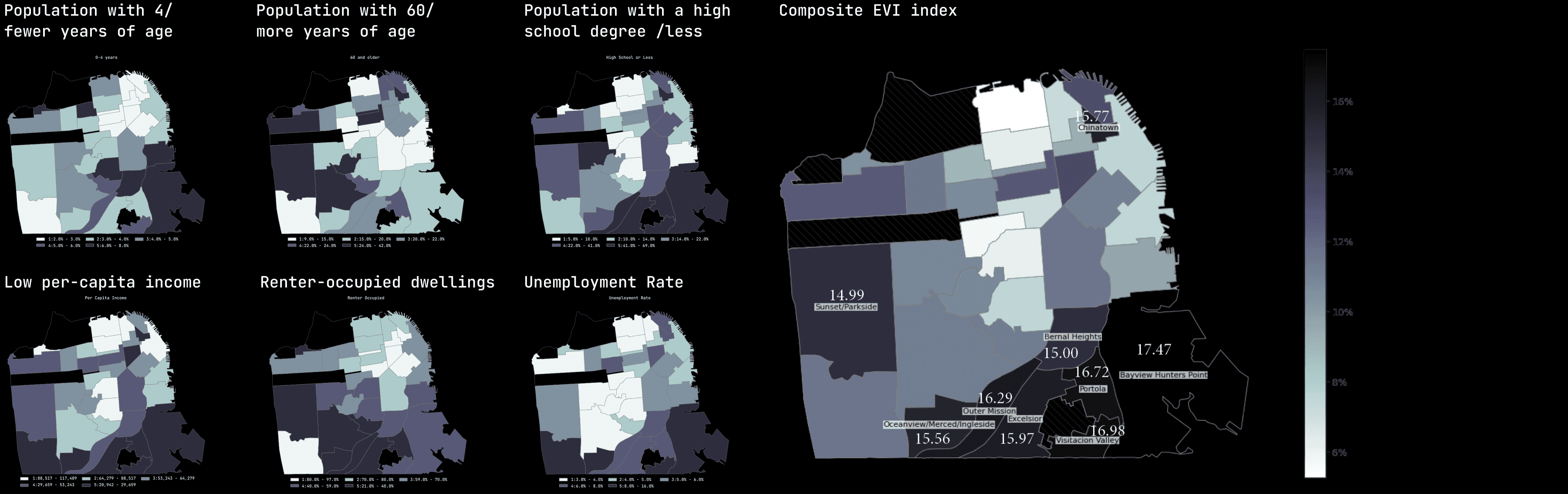
The Energy Vulnerability Index (EVI) was developed to measure a population’s vulnerability to power outages. Each of the six demographic criteria that composes EVI is scaled from 1 to 5, with 1 being the best, and 5 being the worst. The maps below illustrate the spatial distribution for San Francisco of each EVI criteria, with darker colors indicating more severe conditions.
The Energy Vulnerability Index (EVI) was developed to measure a population’s vulnerability to power outages. Each of the six demographic criteria that composes EVI is scaled from 1 to 5, with 1 being the best, and 5 being the worst. The maps below illustrate the spatial distribution for San Francisco of each EVI criteria, with darker colors indicating more severe conditions.
We selected Chinatown, Bayview Hunters Point, and Visitacion Valley as neighborhoods because their high EVI scores, emphasizing needs for energy intervention and resilience planning. For example, a value of 17 indicates a neighborhood with low adaptive capacity, poor energy performance, and limited access to renewable resources, proving it high energy vulnerable.
We selected Chinatown, Bayview Hunters Point, and Visitacion Valley as neighborhoods because their high EVI scores, emphasizing needs for energy intervention and resilience planning. For example, a value of 17 indicates a neighborhood with low adaptive capacity, poor energy performance, and limited access to renewable resources, proving it high energy vulnerable.
Urban Solar Energy Potential Map
Urban Solar Energy Potential Map
Urban Solar Energy Potential Map
Demand-Generation Coupling
Demand-Generation Coupling
Demand-Generation Coupling
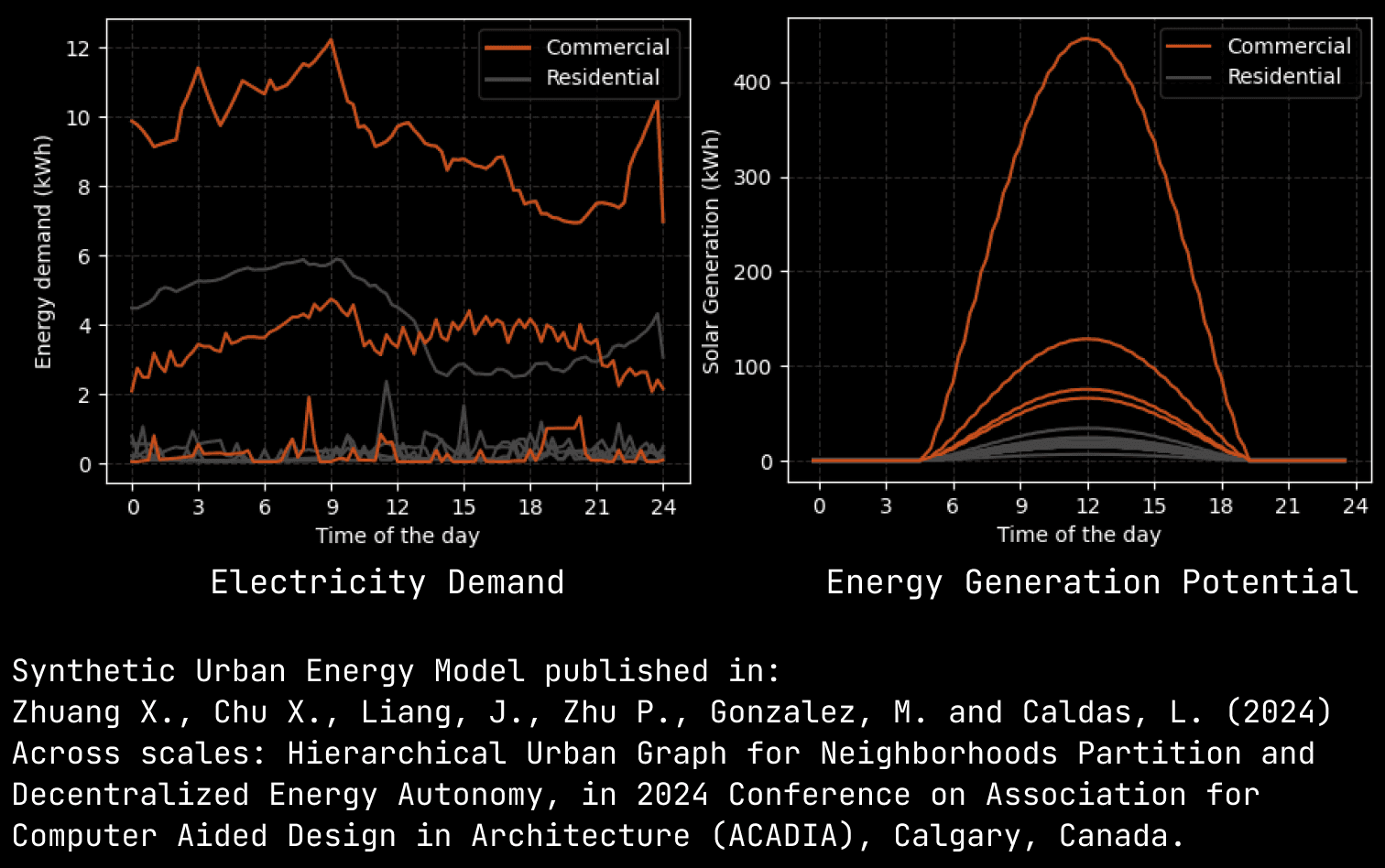
Residential buildings typically have lower energy demand compared to commercial ones, while commercial buildings often offer greater solar energy generation potential due to their larger scale and flat roofs.
Optimization Algorithm
Optimization Algorithm
Optimization Algorithm
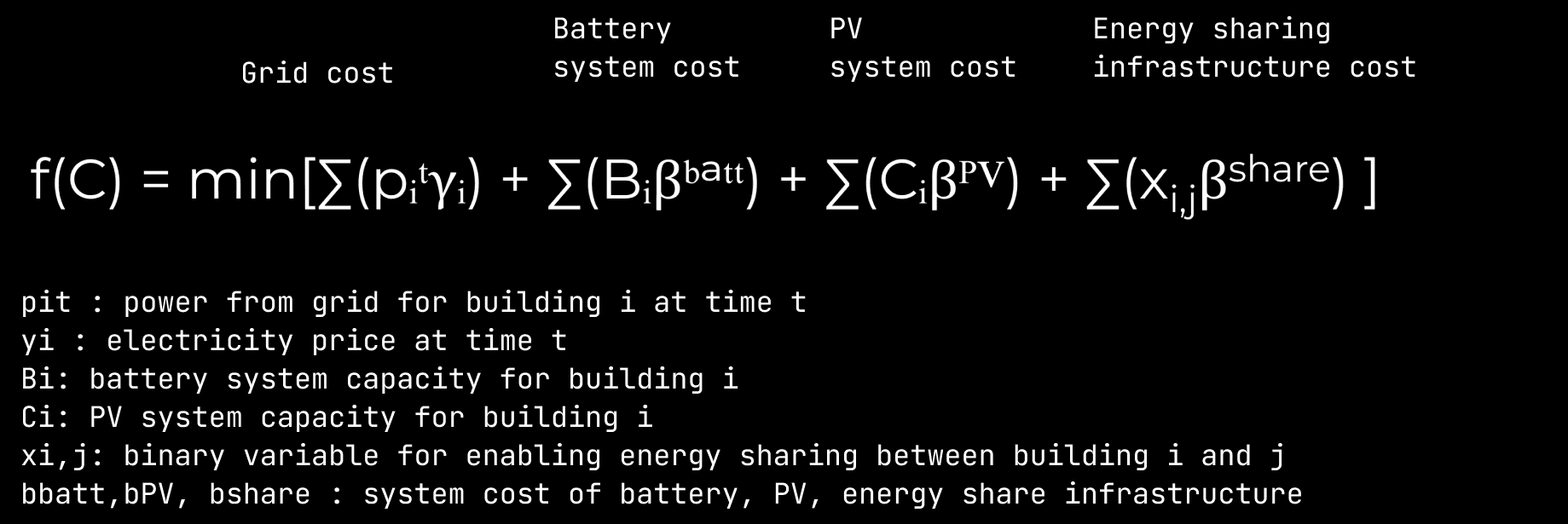
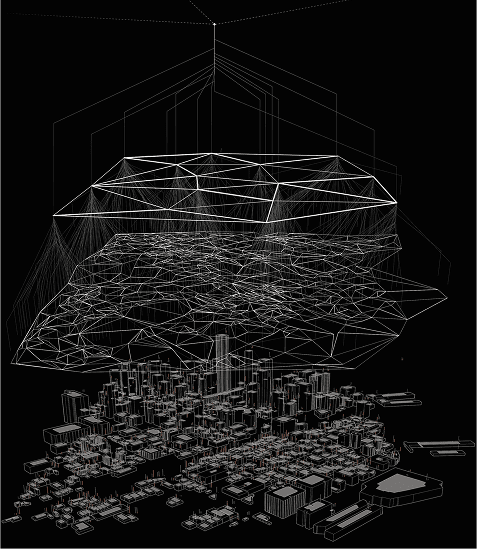
Optimization algorithm minimizes total infrastructure cost required to deploy and operate a multi-building energy-sharing network. It determines both where and how much to install for PV and battery systems, and energy-sharing connections between buildings.
Our Solution
Our Solution
Our Solution
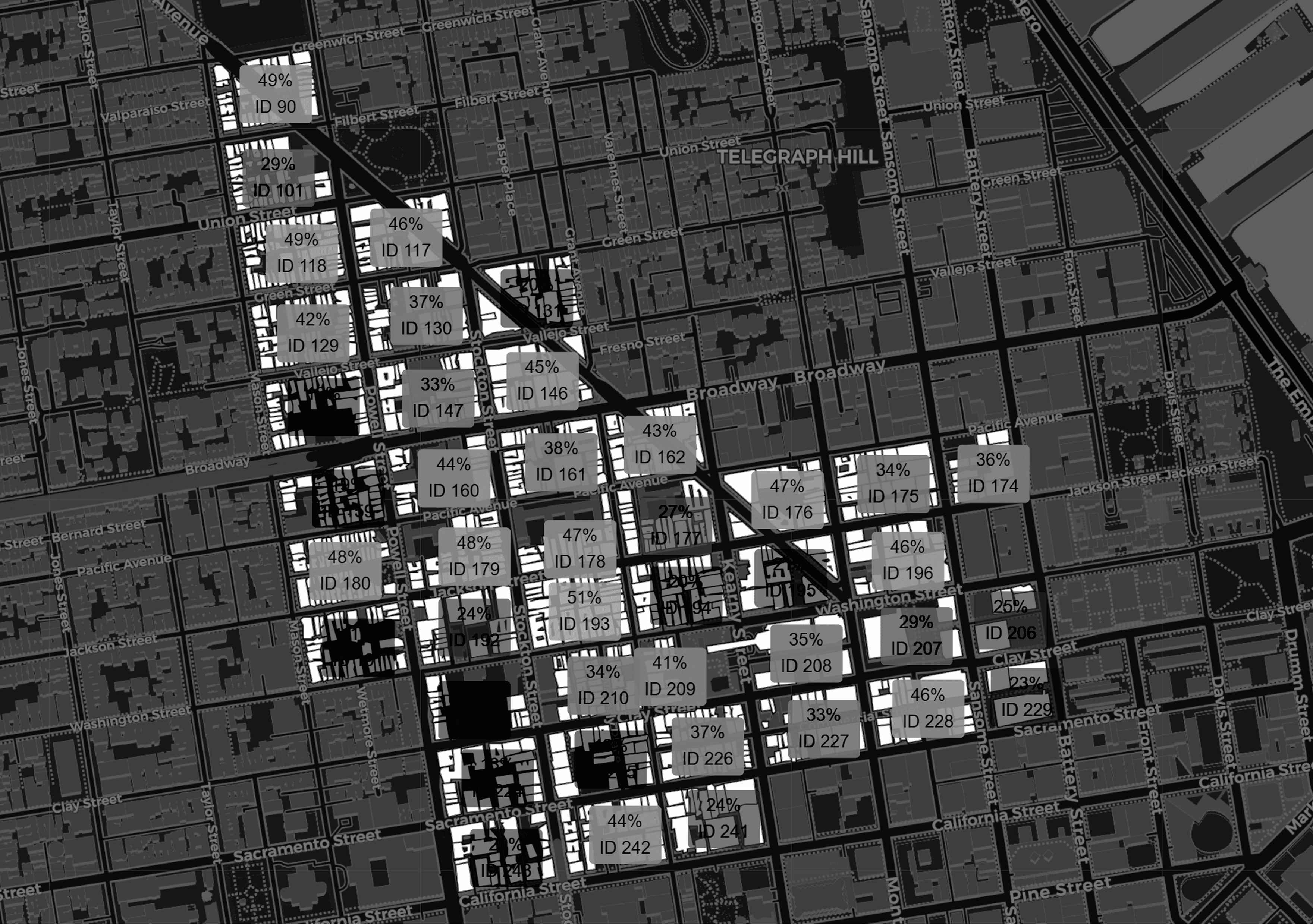
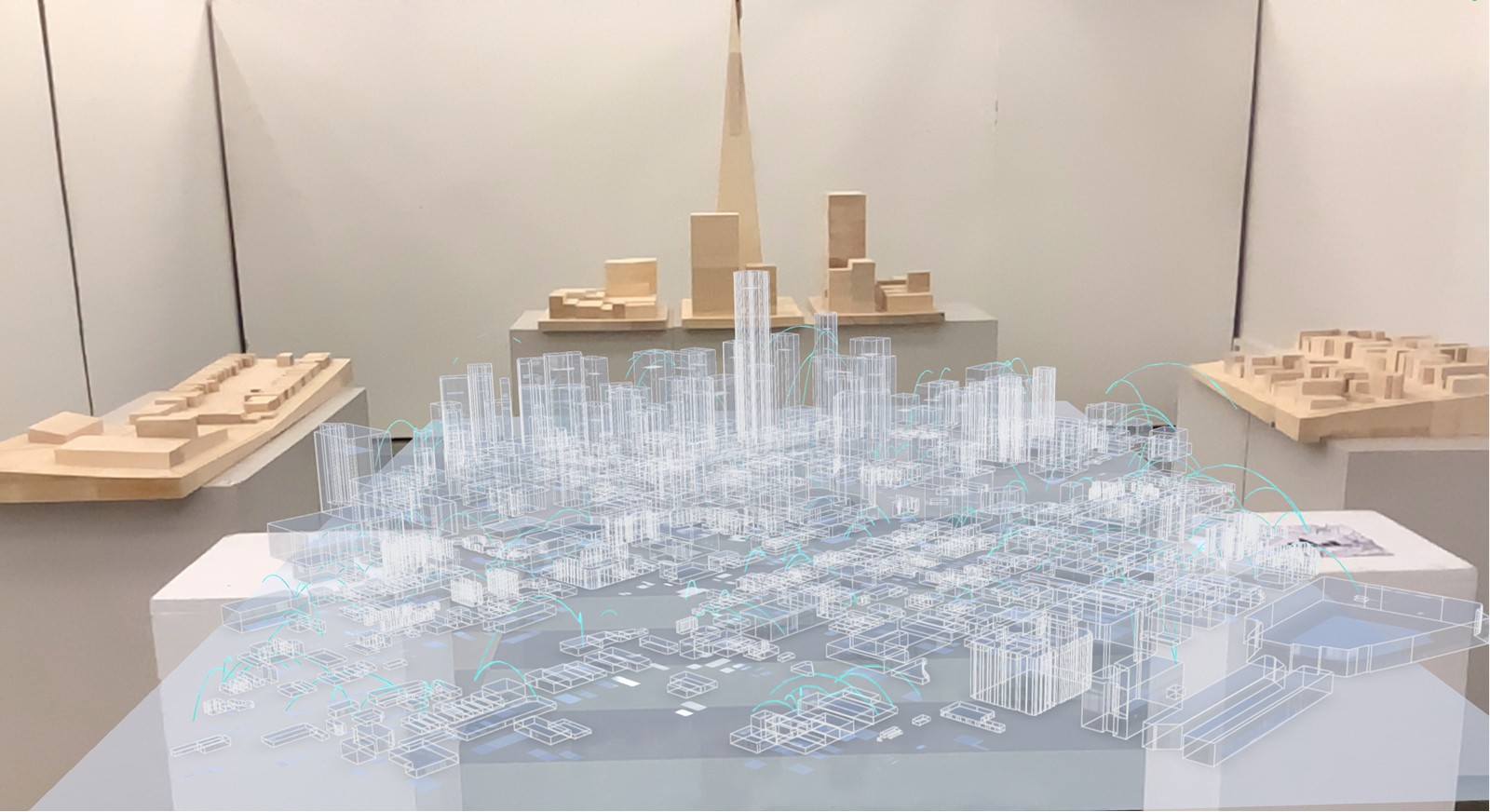
What if renewable energy could be shared across an entire neighborhood? Meet SolarShare, a proposal for energy-sharing neighborhoods.
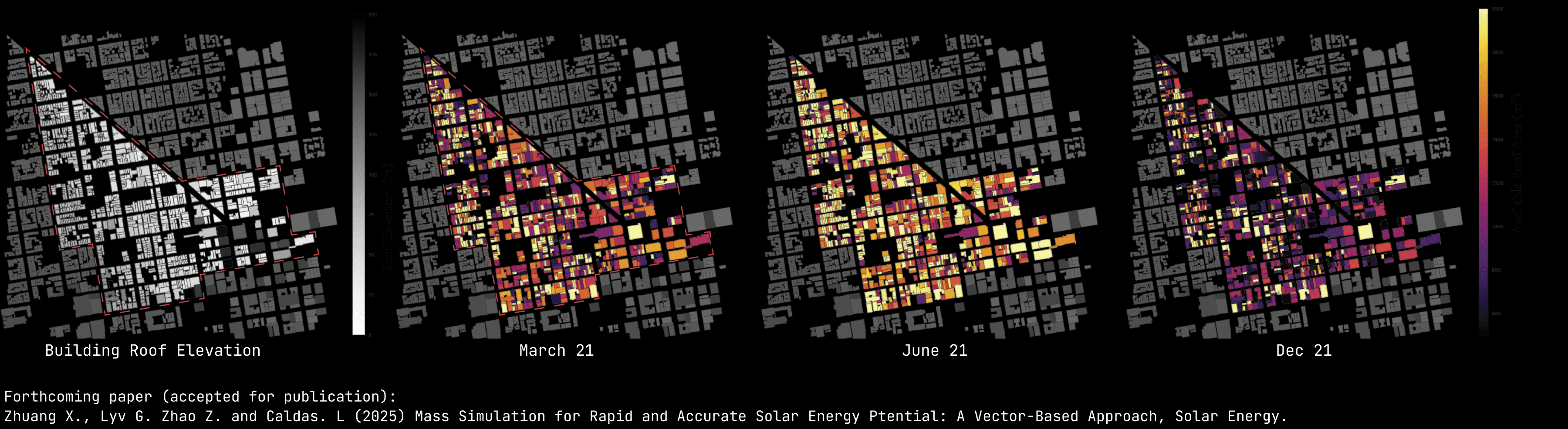
Cities have a lot of variation. Residential and commercial buildings use energy at different times of the day. Some urban areas are denser and taller than others. Some roofs are shaded while others are sunny, and that varies across seasons and time of day.
We use all this information to optimize the number of solar panels and batteries installed on specific buildings, which become solar energy suppliers to their neighbors.
What if renewable energy could be shared across an entire neighborhood? Meet SolarShare, a proposal for energy-sharing neighborhoods.
Cities have a lot of variation. Residential and commercial buildings use energy at different times of the day. Some urban areas are denser and taller than others. Some roofs are shaded while others are sunny, and that varies across seasons and time of day.
We use all this information to optimize the number of solar panels and batteries installed on specific buildings, which become solar energy suppliers to their neighbors.
What if renewable energy could be shared across an entire neighborhood? Meet SolarShare, a proposal for energy-sharing neighborhoods.
Cities have a lot of variation. Residential and commercial buildings use energy at different times of the day. Some urban areas are denser and taller than others. Some roofs are shaded while others are sunny, and that varies across seasons and time of day.
We use all this information to optimize the number of solar panels and batteries installed on specific buildings, which become solar energy suppliers to their neighbors.
Augmented Reality APP
Augmented Reality APP
Augmented Reality APP
Workflow
Workflow
Workflow
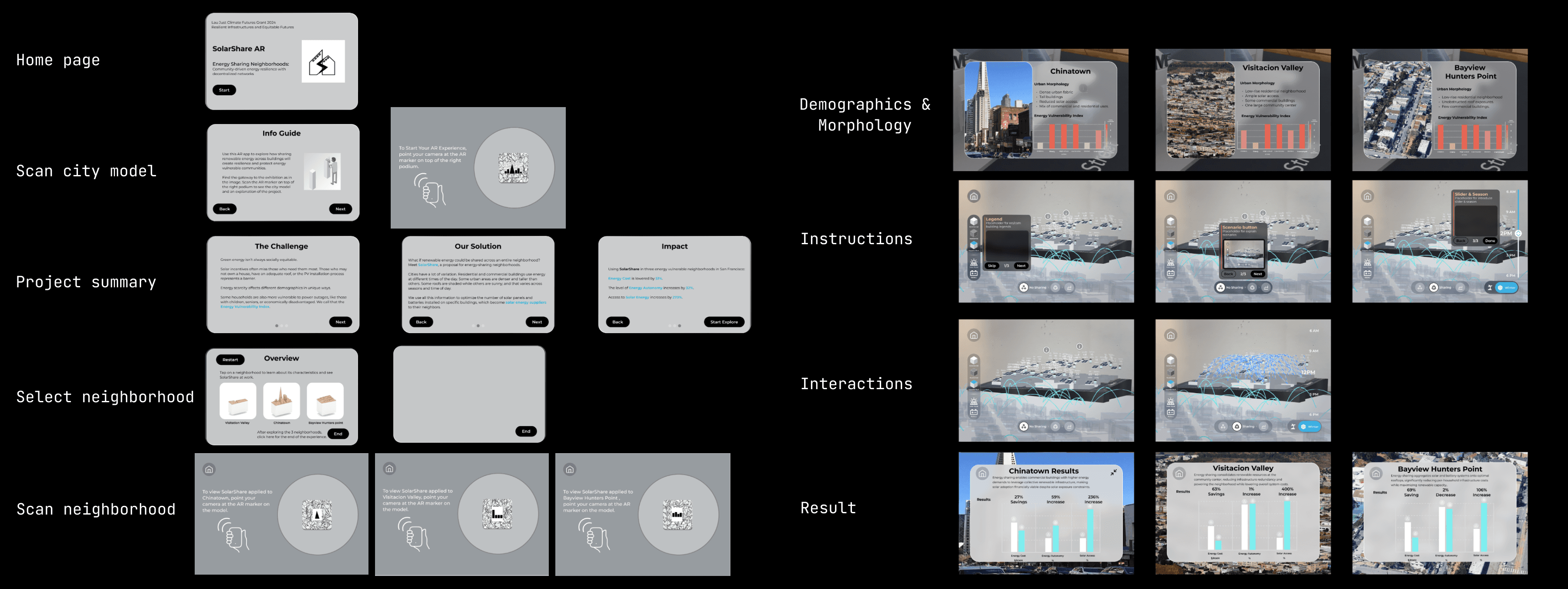
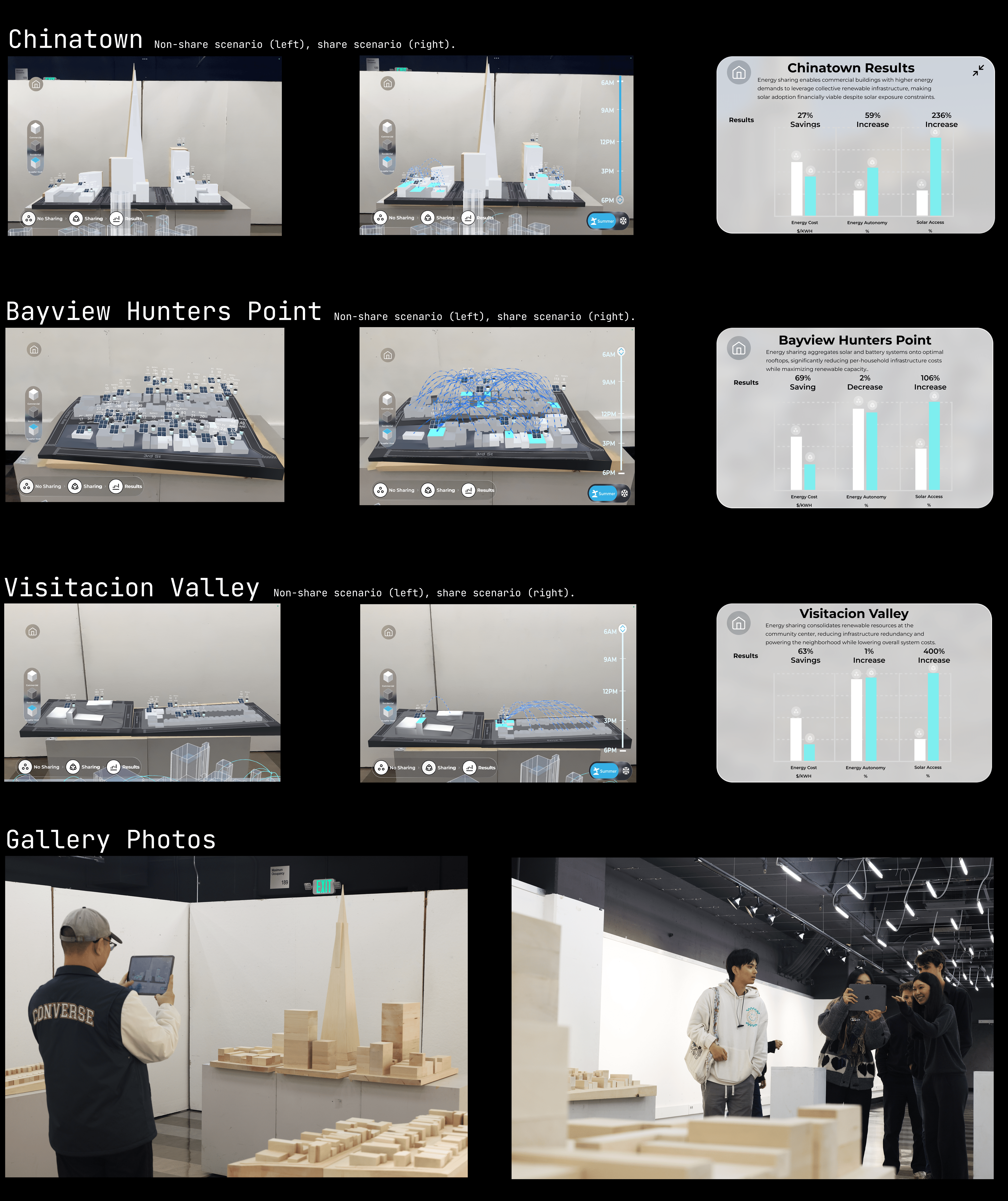
APP screenshot
APP screenshot
APP screenshot